The Cuerosmith Leather Care Guide
An Enduring Relationship with Leather
Leather, when cared for properly, does not wear out.
It wears in.
At Cuerosmith, we believe leather is not an accessory to be preserved behind glass, but a living material meant to accompany you through years of use. The marks it gathers are not flaws — they are records of time, movement, and ownership.
This guide exists to help you understand leather not as a fragile luxury, but as a disciplined companion — one that rewards attention, restraint, and patience.
Understanding Leather: Before Care Begins
Before discussing care, one must understand the nature of leather itself.
Natural leather is skin — once living, now transformed through tanning into a resilient, breathable, and responsive material. Unlike synthetic substitutes, it reacts to its environment. It absorbs moisture. It releases it. It softens with warmth. It tightens in cold. It remembers pressure and responds to neglect.
This responsiveness is not a weakness.
It is leather’s greatest strength.
Caring for leather is not about controlling it — it is about cooperating with it.
The Golden Principles of Leather Care
Regardless of product type — wallet, belt, bag, or jacket — certain principles remain universal.
-
- Use is better than storage
Leather thrives with regular, mindful use. Long periods of neglect dry it out faster than daily handling.
-
- Gentle consistency beats aggressive treatment
Frequent light care is superior to rare, heavy intervention.
-
- Air is essential
Leather needs to breathe. Plastic suffocates it. Trapped moisture destroys it.
-
- Patina is not damage
Natural aging is a sign of quality, not decay.
Daily Habits That Preserve Leather
- Good leather care begins with small habits — not products.
- Avoid Overloading
- Wallets stretched beyond capacity or belts pulled unnaturally tight strain leather fibers permanently. Structure once lost does not return.
- Keep Away from Prolonged Moisture
- Rain is not fatal. Neglect after rain is. If leather gets wet, let it dry naturally — away from heat sources.
- Rotate Usage
- If you own multiple leather items, rotate them. Continuous daily stress on the same item accelerates fatigue.
Cleaning Leather: Less Is More
- Leather does not require frequent cleaning. Over-cleaning removes natural oils essential for longevity.
- Routine Cleaning
- Use a dry or slightly damp soft cloth
- Wipe gently to remove surface dust
- Never scrub
- Occasional Deeper Cleaning
- When necessary:
- Use a pH-neutral leather cleaner
- Apply with a soft cloth
- Work in small circular motions
- Wipe residue clean
- Allow to dry naturally
- Avoid household detergents, alcohol, wet wipes, or disinfectants. They strip oils and damage finish irreversibly.
- Conditioning: Feeding the Leather
Leather is skin — it needs nourishment.
Why Conditioning Matters ?
- Over time, leather loses natural oils, leading to stiffness, cracking, and dullness. Conditioning replenishes these oils.
- How Often to Condition
- Wallets: every 6–8 months
- Belts: every 4–6 months
- Bags & jackets: every 3–4 months depending on use
- Choosing a Conditioner
Use:
- Neutral, wax-based or cream-based conditioners
- Products without silicone or heavy petroleum
- Apply sparingly. More is not better.
- Polishing: Optional, Not Mandatory
- Polishing is aesthetic, not structural.
- For belts and bags:
- Use neutral polish only
- Apply lightly
- Buff gently
- For wallets:
- Polishing is generally unnecessary
- Excessive polishing creates surface buildup that blocks leather’s ability to breathe.
- Water, Rain & Leather
- Leather is not waterproof — and it does not need to be.
If Leather Gets Wet
-
- Blot gently with a dry cloth
-
- Stuff bags with paper to retain shape
-
- Let dry at room temperature
-
- Condition lightly once fully dry
Never:
- Use hair dryers
- Place near heaters
- Leave in direct sunlight
- Sunlight & Heat Exposure
- Sunlight fades leather slowly. Heat dries it rapidly.
- Avoid prolonged direct sun exposure
- Never leave leather items in parked cars
- Store away from radiators or heaters
- Heat damage is silent but permanent.
Storage: When Leather Rests
- Proper storage matters as much as use.
- General Storage Rules
- Store in breathable cotton dust bags
- Avoid plastic covers
- Maintain shape using paper stuffing
- Keep in cool, dry spaces
- Long-Term Storage
- Condition lightly before storing. Check every few months.
- Leather forgotten is leather damaged.
Handling Scratches & Marks
- Minor scratches are inevitable — and often desirable.
- Light Scratches
- Rub gently with fingertip warmth
- Natural oils help blend marks
- Deeper Scratches
- Apply small amount of conditioner
- Massage gently
- Allow patina to develop naturally
- Avoid aggressive repair attempts. Leather forgives patience, not force.
Understanding Patina
Patina is the gradual darkening and softening of leather caused by:
- Touch
- Sunlight
- Natural oils
- Time
- It is unique to the owner. No two patinas are alike.
- A well-aged leather piece reflects life lived — not neglect endured.
At Cuerosmith, patina is celebrated, not corrected.
Care by Product Type
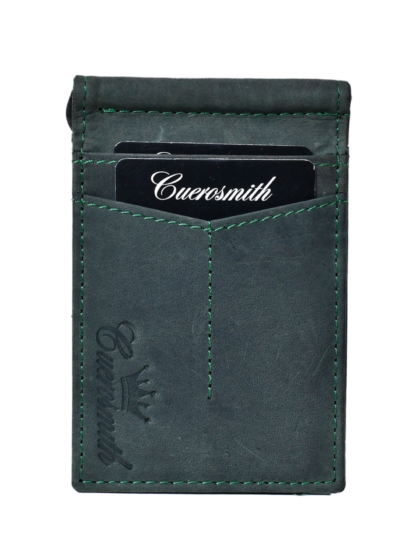
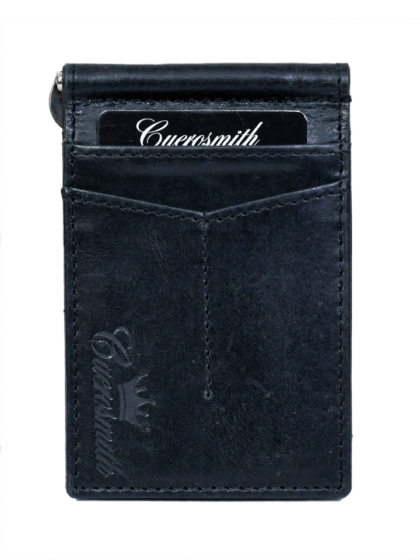
- Wallets
- Avoid overstuffing
- Clean lightly
- Condition occasionally
- Expect softening and darkening over time
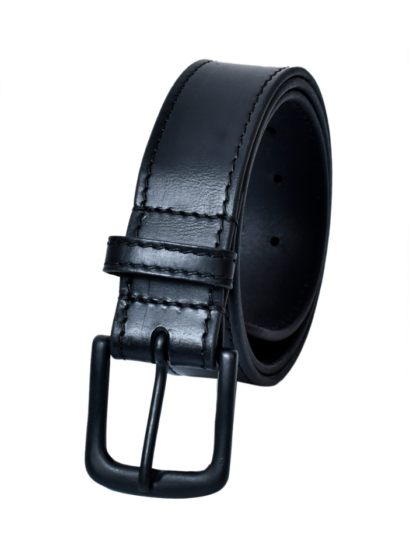
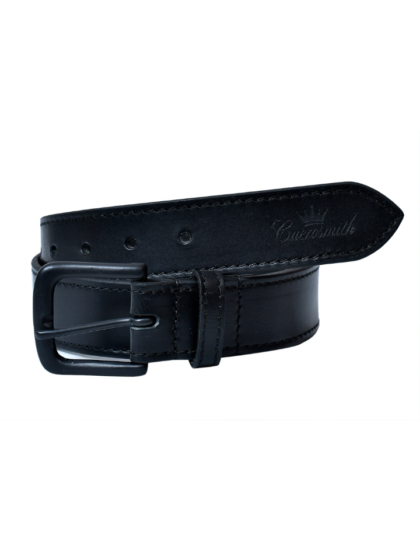
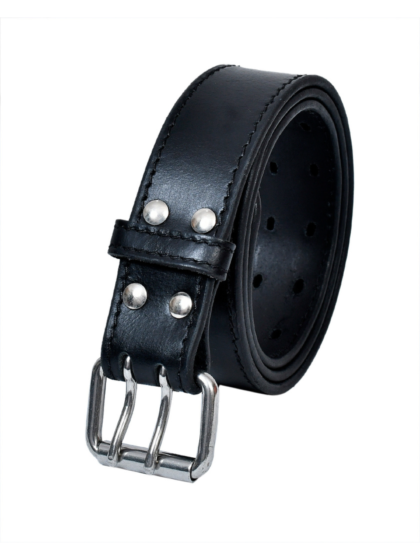
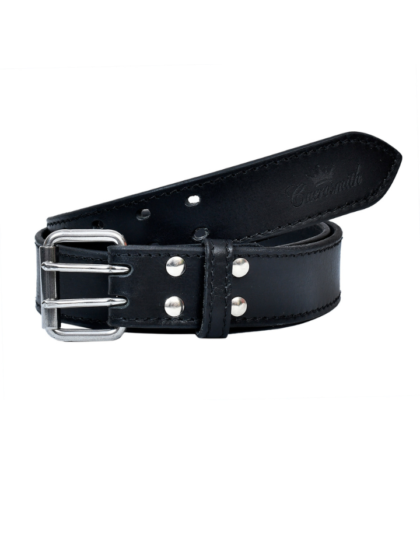
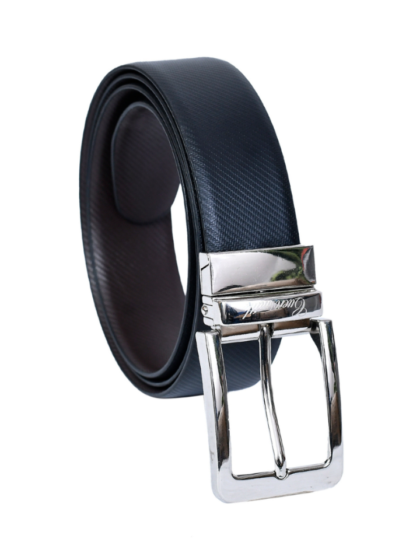
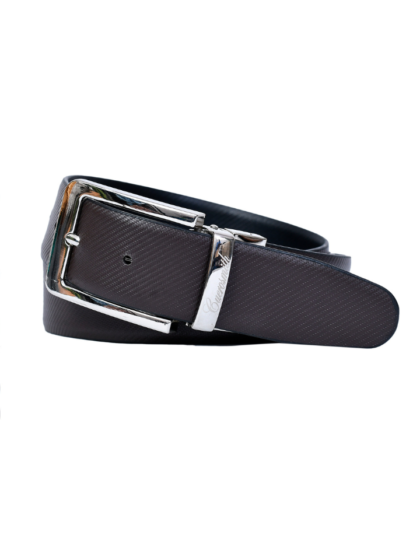
- Belts
- Rotate belts
- Hang straight when not in use
- Avoid tight rolling
- Condition regularly
- Bags & Backpacks
- Maintain shape
- Avoid excessive weight
- Store with support
- Clean interior periodically
- Jackets
- Hang on wide wooden hangers
- Avoid folding
- Professional cleaning recommended when needed
Common Leather Care Myths
❌ “Leather must look new forever”
✔ Leather should look lived with dignity
❌ “More products mean better care”
✔ Fewer, better actions preserve leather
❌ “Scratches mean damage”
✔ Scratches mean character
Essential Leather Care Tools
Every leather user must have access to a few fundamental tools to ensure longevity:
- A soft microfiber or cotton cloth
- A neutral leather conditioner
- Breathable cotton dust bags
- Wooden or broad hangers for jackets
- Paper or cloth stuffing for bags
These are not accessories. They are part of responsible ownership.
When to Seek Professional Help
If leather develops:
- Mold
- Deep cracking
- Structural damage
Consult a professional leather specialist. Improvised repairs often cause irreversible harm.
A Final Word from Cuerosmith
Leather rewards restraint.
It does not ask for constant attention — only thoughtful care.
It does not seek perfection — only consistency.
And when treated well, it returns the favor quietly, over years.
This is not maintenance.
This is stewardship.
Because when you choose leather, you are not buying an object —
you are entering a relationship with time.
Cuerosmith
Mark your presence.